Sleep Sanctuary Cultivation™
Your bedroom is either helping you sleep or working against you. There is no neutral.
Discover more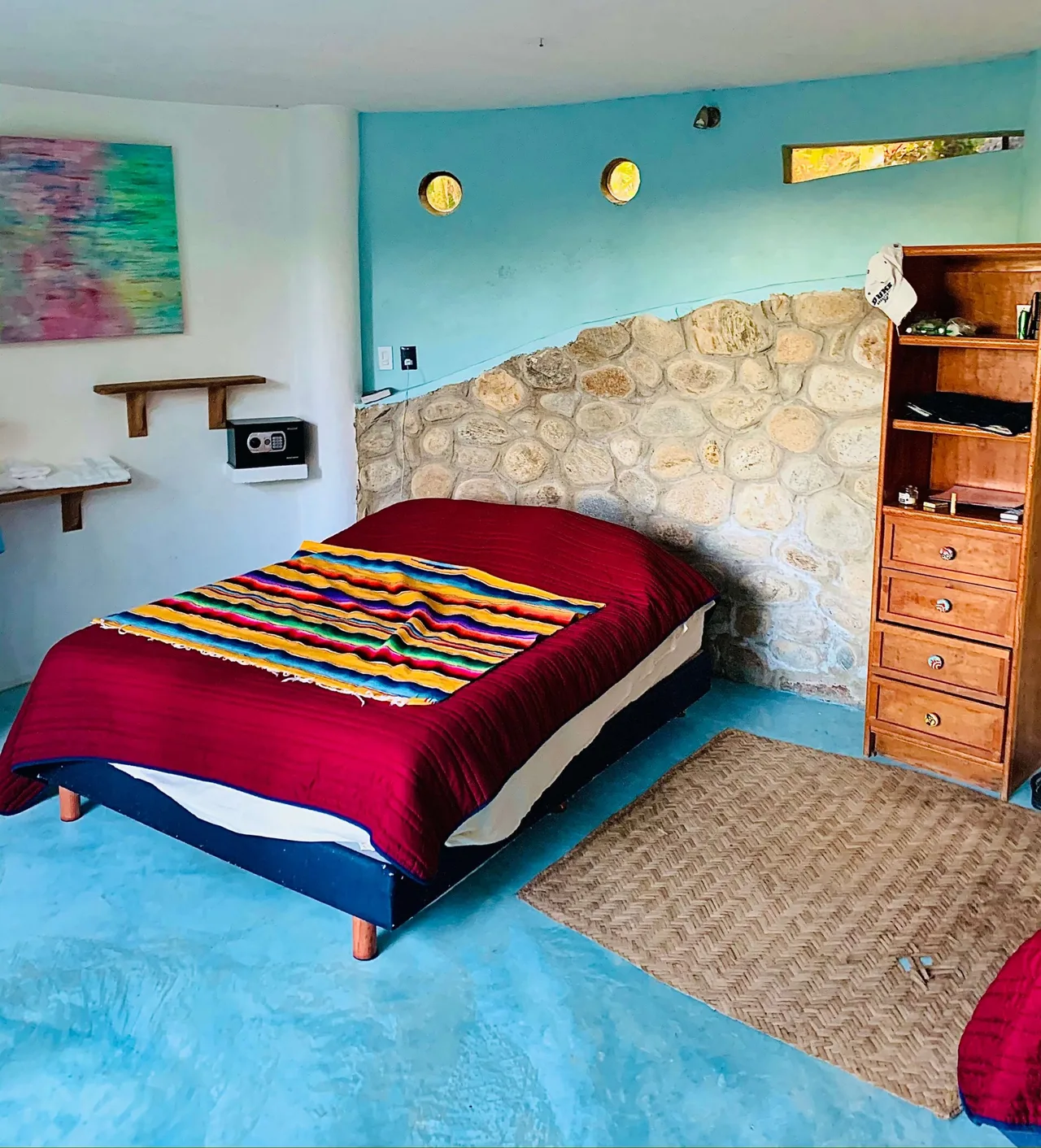
A sanctuary, down to the details.
Explore the elements of a sleep-supportive space.
The details that shape your space.
Choose a topic to explore the full guide, at your own pace.
01Pillar 5: Sleep Sanctuary Cultivation™Your bedroom is either helping you sleep or working against you.
Pillar 5
Sleep Sanctuary Cultivation™
Your bedroom is either helping you sleep or working against it. There is no neutral.
Pillar 5: Sleep Sanctuary Cultivation™
Your bedroom is either helping you sleep or working against you. There is no neutral.
The environment in which you sleep sends a continuous stream of signals to your nervous system. Temperature, light, sound, air quality, electromagnetic exposure, and the emotional associations attached to your bedroom all influence the body’s ability to enter and sustain deep, restorative sleep.
Most people treat the sleep environment as an afterthought. The Nidra Sleep Pathway™ treats it as a clinical variable, because optimizing the sleep environment produces measurable improvements in sleep onset latency, sleep continuity, and slow-wave sleep depth.
02Temperature: The Most Underestimated VariableCore body temperature must drop by approximately one to two degrees Fahrenheit for sleep onset to occur.
Temperature: The Most Underestimated Variable
Core body temperature must drop by approximately one to two degrees Fahrenheit for sleep onset to occur. The optimal bedroom temperature for most adults is between 65 and 68 degrees Fahrenheit. Temperatures above 70 degrees measurably reduce slow-wave and REM sleep, even when the individual does not consciously feel uncomfortable.
A warm bath or shower taken 60 to 90 minutes before bed paradoxically accelerates sleep onset by drawing blood to the skin and facilitating the core temperature drop through radiative heat loss. This is one of the most evidence-supported, lowest-cost sleep interventions available.
03Light: Complete Darkness Is the GoalLight exposure during sleep, even from standby electronics or streetlights through curtains, suppresses melatonin and disrupts sleep architecture.
Light: Complete Darkness Is the Goal
Light exposure during sleep, even from standby electronics or streetlights through curtains, suppresses melatonin and disrupts sleep architecture. Blackout curtains or blinds are the single most impactful light intervention for most people. In the 60 to 90 minutes before bed, transitioning to warm-spectrum lighting (2700K or lower) significantly reduces the melatonin-suppressing effect of artificial light. Morning light exposure in the first 30 to 60 minutes after waking is one of the most powerful tools for circadian entrainment and daytime energy.
04Sound: What the Sleeping Brain HearsThe auditory system does not fully disengage during sleep.
Sound: What the Sleeping Brain Hears
The auditory system does not fully disengage during sleep. The sleeping brain produces arousal responses to sounds categorized as potentially significant, producing micro-arousals that disrupt sleep architecture without fully waking the sleeper. Sound masking using pink noise, brown noise, or white noise reduces the contrast between ambient sound and sudden noise, measurably reducing arousal frequency.
05Air Quality, EMF, and the Sensory EnvironmentCarbon dioxide levels in a closed bedroom rise through the night, and elevated CO2 is associated with increased arousal frequency and reduced slow-wave sleep.
Air Quality, EMF, and the Sensory Environment
Carbon dioxide levels in a closed bedroom rise through the night, and elevated CO2 is associated with increased arousal frequency and reduced slow-wave sleep. Simple ventilation is typically sufficient to address this.
Scent is one of the most powerful and most underused tools for sleep conditioning. Lavender has the most robust evidence base of any aromatherapy compound for sleep improvement. Using a consistent scent only during the pre-sleep ritual and during sleep allows the nervous system to develop a conditioned association that amplifies the calming effect over time.
06The Emotional EnvironmentFor people with chronic insomnia, the bedroom has often become a place of anxiety, dread, and failure.
The Emotional Environment
For people with chronic insomnia, the bedroom has often become a place of anxiety, dread, and failure. These associations are physiologically real. Pillar 5 includes specific guidance on creating sensory rituals around the sleep environment: the use of scent, sound, and tactile elements that signal safety and calm to the nervous system before the person even lies down.
07The Ultimate Sleep Sanctuary: Yelapa, MexicoEvery element of the Nidra Sleep Retreat in Yelapa was chosen with Pillar 5 in mind.
The Ultimate Sleep Sanctuary: Yelapa, Mexico
Every element of the Nidra Sleep Retreat in Yelapa was chosen with Pillar 5 in mind. No artificial light pollution. Ocean sound masking. Ideal overnight temperature without air conditioning. No cars, no notifications, no ambient urban noise.
The experience of sleeping well in Yelapa shows the nervous system what sleep can feel like, and gives it something to orient toward when the work of Sleep Sanctuary Cultivation™ begins at home.
The complete Sleep Sanctuary Cultivation™ protocol is available to all members through the Member Library, including a room-by-room environment audit, prioritized action items, product guidance, and a sensory ritual design guide.
Experience the Retreat | Sleep Sanctuary Guide in Member Library